Every dealership already gets referrals. A happy buyer mentions your store to a coworker, or a service customer tells a neighbor where to get their brakes done.
The problem is that most of those referrals are never tracked, thanked or repeated. A car dealership referral program turns that word of mouth into something you can measure, reward and grow.
This guide walks through how to set one up, from legal checks and reward design to launch, tracking and follow-up. It covers referrals for both vehicle sales and your service department.
QUICK ADVICE
Check your state’s rules on referral payments first. Then choose rewards that fit those rules, give owners a simple way to share and track every referral from first click to closed deal. Thank referrers quickly, and ask again at the moments owners are happiest.
How a Car Dealership Referral Program Works
Before setting anything up, picture the journey a referral takes. Every step is a place where a referral can be lost if nobody owns it.
1. Owner shares
A personal link or code, by text, email or social
2. Friend visits
Online, in the showroom or in the service lane
3. Deal closes
The sale or service visit is matched to the referrer
4. Reward issued
The owner is thanked and rewarded quickly
The four stages every referral passes through.
Manual tracking breaks down at stage three. Sales staff forget to log the referrer, or the friend comes in weeks later without the code. That’s why many dealers run referrals through dealership loyalty software that connects to their DMS and CRM, so referrals match to deals automatically.
Phase 1: Plan Your Car Dealership Referral Program
Step 1: Check your state’s rules first
Referral payments in auto sales are regulated
Many states restrict paying people who aren’t licensed salespeople for referring vehicle buyers, a practice often called “bird-dogging.” Some ban it outright, while others allow it with conditions. For example, some boards have stated that paying unlicensed individuals on a per-lead or per-sale basis violates the law.
Rules differ by state and can change. Check with your state dealer association or counsel before choosing rewards, and confirm how the rules treat service referrals and non-cash rewards.
This step shapes everything else. In some states, a cash bonus for a sales referral is fine. In others, you’ll need to focus on rewards and structures your counsel approves.
Step 2: Set clear goals
Decide what the program should achieve. Most dealers aim for more vehicle sales from referrals, more new service customers or both. Set a simple target for each, such as referred sales per month. That way, you’ll know whether the program is working.
Step 3: Choose rewards that fit the rules and your owners
Once you know what’s allowed, pick rewards owners value. Service-based rewards are popular because they bring the referrer back to your service lane too.
Reward type Why owners like it Check Service credit Useful to every owner and brings them back State rules on value and conditions Loyalty points Adds to rewards they already earn How points can be redeemed Accessories or detailing Tangible and tied to their vehicle Value limits, if any Cash or gift cards Simple and flexible Most regulated type; confirm first Recognition Status and a personal thank-you Usually low risk Also consider something for the friend, such as a free first oil change or a welcome gift. A reward for both sides makes sharing feel like a favor rather than a sales pitch.
Phase 2: Build the Program
Step 4: Make sharing effortless
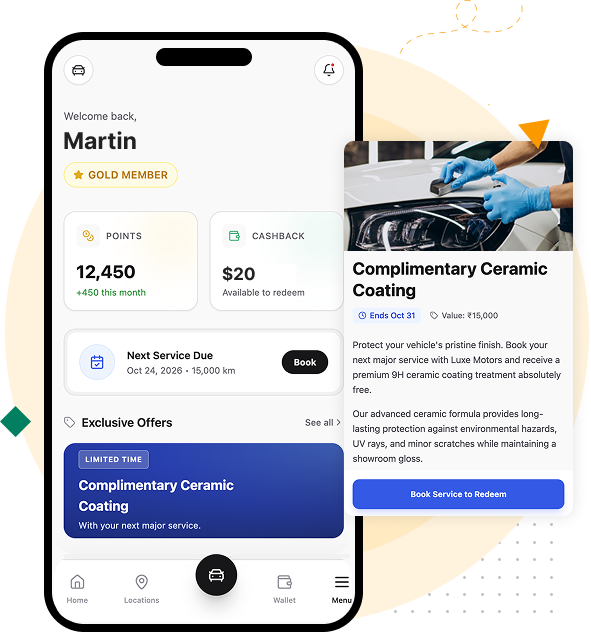
Give every owner a personal referral link and code they can send by text, email or social media. Put the invitation where owners already engage with you: the delivery email, service receipts, your app and your loyalty program portal. A referral marketing platform creates these links automatically and tracks each one.
Step 5: Connect tracking to your DMS and CRM
A referral only counts if you can match it to a sale or service visit. Connect your referral tracking to your dealer management system and CRM, so a closed deal credits the right owner without anyone keying it in. Also decide how long a referral stays valid, and what happens if a friend was already in your CRM.
Step 6: Train your team
Salespeople, service advisors and BDC staff should know how the program works. Show them how to ask for referrals, how to capture a referral code at the desk and how to answer owner questions. If staff don’t mention the program, most owners will never hear about it.
Phase 3: Launch
Step 7: Ask at the right moments
Owners are most willing to refer when they’re happiest with you. The best moments usually include delivery day, the first service visit, right after a positive review and when an owner hits a loyalty milestone. Build referral invitations into each one.
Try this at delivery
“Congratulations on the new car. If a friend or family member is shopping soon, here’s your personal link. They’ll get a free first oil change, and we’ll thank you too.”
Phase 4: Grow and Improve
Step 8: Thank referrers fast, and close the loop
Send a thank-you as soon as a referral comes in, and another when it becomes a sale or service visit. Deliver rewards promptly. Owners who see their referral acknowledged are far more likely to refer again.
Step 9: Track results and adjust
Review the program every month. Watch the numbers below, then test changes such as a different reward or a new invitation point.
Share rate: the share of owners who send at least one referral.
Referred leads: friends who visit, call or submit a form.
Referred sales and service visits: how many referrals turn into business.
Time to reward: how quickly owners receive their thank-you.
Repeat referrers: owners who refer more than once.
Connect Referrals to Loyalty and Advocacy
A car dealership marketing program works best as part of a wider owner relationship. When referrals earn loyalty points, owners see one balance for everything they do with you. And when you also recognize reviews, social posts and event attendance, referrals become one part of a broader advocacy and referral platform rather than a standalone promotion.
If owners share about your dealership on social media as part of a rewarded program, the FTC’s guidance says they should generally disclose it. Build a short disclosure into any pre-written share messages. For more ways to reward owners, see our list of dealership loyalty program ideas.
Common Mistakes to Avoid
Skipping the legal check. Referral payments are regulated in many states. Confirm the rules before announcing any reward.
Tracking by hand. Paper forms and spreadsheets lose referrals, and lost referrals mean unhappy owners.
Slow rewards. A thank-you that takes weeks feels like an afterthought.
Launching and forgetting. Without regular reminders and fresh invitation points, referrals fade after the first month.
Getting Your Car Dealership Referral Program Started
A car dealership referral program doesn’t need to be complicated. Start with the legal check, choose rewards that fit your state and your owners and make sharing and tracking automatic. Then thank people quickly and ask at the moments that matter. For more on the asking itself, see our tips for building a customer referral program.
Turn happy owners into your best lead source
Our automotive marketing platform connects with the major dealer management systems and CRMs. From there, you can run owner referral programs alongside loyalty, service win-back and lease retention campaigns, with every referral tracked to the sale or service visit. Auto groups can run one program across every rooftop while tailoring rewards by store.
Tell us how referrals work at your store today, and we’ll show you how to grow them.