
Every reward your customers earn is a small promise. When those points sit untouched and quietly expire, that promise breaks, and a little trust goes with it. Good loyalty rewards software prevents exactly that. It watches balances, flags points before they lapse, and helps members act while their rewards still hold value. In short, the right platform turns forgotten rewards into repeat business.
That is the problem NextBee was built to solve.
NextBee is an enterprise loyalty software that helps brands run smarter loyalty, referral, and rewards programs from one connected system. Its rewards tools do far more than tally points. They actively help members redeem, gift, and use what they have earned, all inside the rules your program already enforces.
For your business, that means fewer wasted points, more engaged members, and stronger customer retention over time.
The Hidden Cost of Points Nobody Redeems
In loyalty rewards solutions, unredeemed points have a name: breakage.
It is the share of issued rewards that members earn but never claim before they expire. Breakage can look like a win, because a point that is never redeemed is a cost you never pay. However, that short-term accounting benefit hides a longer-term risk.
The numbers are significant. Industry analyses generally place average breakage in retail loyalty programs near 25 percent, and most loyalty rewards programs fall somewhere between 5 and 30 percent. In travel and airline programs, the figure often climbs higher because rewards require large point balances and complex steps.
Here is why that matters. Every expired point represents a member who felt they were working toward something and then got nothing. Over time, that quiet disappointment erodes engagement. Members stop checking their balances. They stop choosing your brand. They then drift to whatever is convenient.
A high breakage rate is therefore not just a balance-sheet line. It is an early warning sign about the health of your entire customer loyalty rewards program.
Why Members Let Their Rewards Expire
Members rarely abandon points on purpose. Instead, small frictions add up until redemption feels like too much effort. Four causes come up again and again.
First, customers and partners simply forget. Busy customers belong to many loyalty rewards programs at once, and a points balance is easy to lose track of without timely reminders.
Before locking your point expiration rules, review the finance gate diagram below showing how our loyalty software balances redemption nudges with liability reserve limits.
View Diagram 01: Loyalty rewards software point expiration and finance liability gate flow

Finance gate model connecting 60-day and 30-day expiration alerts, micro-redemption options, and breakage liability tracking. View Diagram 02: Loyalty rewards software point expiration and finance liability gate flow – Stage Audit View
Secondary workflow diagram illustrating how your operations team audits each verification gate prior to reward release. Second, redemption is often too complicated. When claiming a reward means navigating multiple screens, unclear rules, or clunky forms, many members give up partway through.
Third, thresholds sit too high. If a loyalty rewards program demands a large balance before any reward unlocks, casual members lose motivation long before they qualify.
Fourth, communication is thin. Without clear nudges about expiring points or new ways to redeem, members assume there is nothing worth acting on.
The takeaway is encouraging, though. Each of these barriers is fixable with the right rewards program software. You do not need to change how generous your program is. You need to make using it effortless.
What Strong Loyalty Rewards Software Should Do
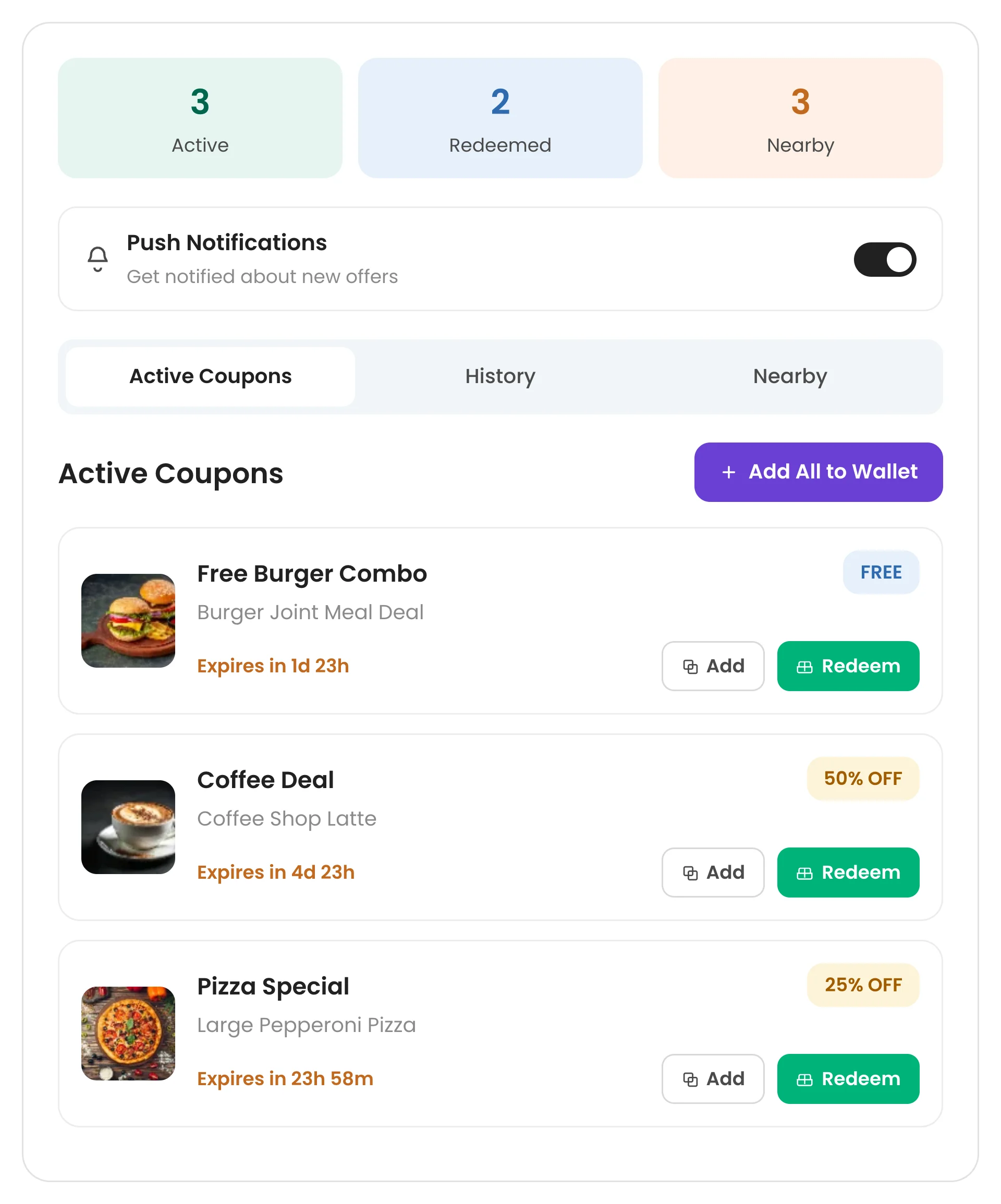
To give members flexible ways to put small balances to work before they lapse, read how loyalty points transfer software lets members share rewards safely and explore our customer loyalty solutions for lifestyle and retail brands.
Not all platforms are built to fight breakage.
When you evaluate loyalty management software, look for tools that make redemption automatic, timely, and simple. A few loyalty program features matter most.
- Real-time balance visibility. Members should always see what they have and what it is worth, across every channel they use.
- Expiration tracking and alerts. The platform should monitor deadlines automatically and prompt members well before points lapse.
- Frictionless points redemption. Fewer steps mean more completed rewards. The best systems reduce redemption to a tap.
- Automated rewards actions. Strong software can act on a member’s behalf, within clear permissions, so value never slips away by accident.
- Personalization. A relevant reward at the right moment beats a generic offer every time.
- Deep integrations. Your loyalty program platform should connect cleanly with your commerce, CRM, and support systems so data stays consistent.
- Governance and security. Every transaction should follow your program rules exactly, with no room for error.
Together, these capabilities separate a modern customer loyalty platform from a simple points ledger. The goal is not just to record rewards. It is to make sure members actually enjoy them.
How a Loyalty Rewards Program Helps Members Use Rewards Before They Expire
This is where NextBee’s approach stands apart. Rather than waiting for members to remember their points, the platform helps them take action at the right time.
At the center is the NextBee Personal Decision Navigator. It lets members delegate routine reward management while the system enforces your program rules on every transaction. Members describe what they want in plain language, and the platform handles the mechanics safely.
One capability speaks directly to breakage: Automated Expiration Salvage. The Navigator tracks expiration schedules across a member’s accounts. As points approach their deadline, it evaluates the valid redemption options within that member’s stated preferences, then completes the best available transaction. As a result, points that would have quietly expired become a real, used reward instead.
Members stay in control the whole time. They set spending limits, preferred channels, and approval checkpoints in advance. The Navigator cannot act outside those instructions. For your brand, that combination is powerful. Members get a helpful assistant that protects their rewards, and you get lower breakage, higher redemption, and a program members trust.
Because the platform automatically enforces balance checks and eligibility rules, every transaction stays accurate. Members experience a smooth, natural interaction. Meanwhile, your finance and loyalty teams get transactions that follow the ledger precisely.
From Redemption to Retention
Reducing breakage is really about something bigger: turning one-time buyers into loyal, repeat customers. Redemption is the moment a member feels the value of your program. The more often that moment happens, the stronger the relationship becomes.
Research supports this focus. A 2025 study in the International Journal of Research in Marketing found that encouraging more frequent redemption lowers breakage more effectively than adjusting how many points a reward costs. In other words, a healthier program helps members use rewards often, not makes rewards harder to reach.
That insight shapes how effective customer retention software should work. Instead of relying on expiration to trim liabilities, you build habits. Every redeemed reward gives a member a reason to return. Every return builds loyalty. Over time, a well-run loyalty rewards program becomes one of your most reliable engines for repeat revenue.
Build a Program Members Actually Use
Points only create loyalty when members redeem them. Otherwise, you are funding a promise that never gets delivered. The right loyalty rewards software closes that gap. It keeps rewards visible, redemption simple, and expiring value from going to waste, all while respecting the rules your program depends on.
NextBee brings those pieces together in one platform, with automation that works for members and governance that protects your business. If you are ready to cut breakage, lift redemption, and give members a reason to keep coming back, NextBee’s loyalty rewards software can help you get there.
Expiration Rules, Redemption Workflows, and Ownership for Loyalty Points
Use this expiration decision engine, workflow comparison, and marketing-plus-finance RACI matrix to turn expiring point balances into repeat orders.
How should loyalty rewards software handle point expiration without frustrating customers?
Replace rigid fixed-date point forfeitures with a rolling 12-month activity rule where any qualifying purchase or profile action resets the member's expiration clock, paired with automated 60-day, 30-day, and 7-day countdown reminders that show one-click micro-redemption options.
Your Rolling Point Expiration and Rescue Decision EngineWe rescue dormant members before their points lapse by triggering personalized low-threshold redemption options.
When a member reaches 10 months inactive Calculate exact expiring point balance and match against the lowest redeemable reward tier 60-day and 30-day rescue sequence Send email, SMS, and mobile wallet push showing the exact dollar value at risk of expiring Clock-reset and micro-redemption gates - Extend the member's entire point balance for 12 months upon any qualifying purchase
- Allow members with small balances to redeem for $2 checkout sliders or charity donations
- Grant a one-time 30-day grace-period restoration if a VIP member contacts support after expiry
Finance breakage ledger close Log expired points into your monthly deferred-revenue breakage report once the grace window closes Our expiration engine enforces rolling timer and grace-period rules supplied by your finance and legal teams and does not modify your accounting policy. Explore our customer loyalty software RFP guide →How does proactive point-expiration rescue compare to silent point breakage?
Shift from silent point forfeiture that drives member resentment to automated pre-expiration rescue flows that convert 18 to 30 percent of at-risk dormant balances into full-margin repeat orders while keeping your unredeemed balance-sheet liability predictable.
Your Silent Point Forfeiture vs Proactive Redemption RescueWe turn expiring point alerts into your highest-converting dormant customer reactivation channel.
Manual Spreadsheet Workflow- Members discover their hard-earned points vanished without warning and stop shopping with your brand
- High-threshold reward catalogs trap casual buyers below the 1,000-point minimum redemption line
- Customer support wastes hours manually re-crediting expired points for angry callers
Our Automated Playbook Execution- Automated 60-30-7 day countdown alerts convert 18% to 30% of expiring balances into repeat orders
- Dynamic checkout sliders let members apply even 200 points ($2 off) toward their next basket
- Self-service 'complete a quick poll to extend your points 90 days' keeps casual buyers active
Our rescue workflows trigger from point-ledger timestamps supplied by your loyalty database rather than replace your checkout cart logic. See how we prevent loyalty expiration churn →Who should own point expiration rules, redemption reminders, and liability reserves?
Align loyalty ROI and expiration governance across three owners: your loyalty marketing manager owns pre-expiration reminder journeys and micro-reward tiers, your ecommerce lead owns checkout slider visibility, and your finance controller owns deferred revenue accruals and breakage recognition.
Your Point Expiration and Liability Ownership MatrixWe give your marketing and finance leaders shared visibility into active redemptions, expiring cohorts, and balance-sheet reserves.
Point Lifecycle Stage Primary Owner Automated Action in Our Platform Governance Cadence Pre-Expiry Reactivation Journeys Loyalty Marketing Manager Configures 60-30-7 day alerts and point-extension challenges Monthly cohort review In-Cart Slider and Micro-Catalog Ecommerce Product Lead Displays available dollar credit on product and checkout pages Continuous A/B testing Breakage and Deferred Revenue Finance Controller Audits outstanding point liability and recognizes expired breakage Monthly financial close Under those assumptions, our ownership matrix coordinates marketing and finance reporting rather than establish ASC 606 accounting advice. Review our loyalty program ROI and liability studio →See how NextBee can strengthen your loyalty program. Request a demo today.