A gamification software RFP is only as good as the questions inside it. Send a vague request and you get vague answers, glossy demos, and a stack of proposals that all sound the same. Sharpen the questions and the real differences between bidders surface fast. Vendor selection is won or lost here, long before anyone drafts a contract.
This guide covers the information to require from every bidder, how to compare what comes back, and how to decide which vendor to engage first. NextBee has responded to gamification RFPs for retail, hospitality, and subscription brands, so we know which questions expose real capability and which ones simply invite marketing fluff. If you are earlier in the process, read it alongside our guide on how to choose gamification software, which covers the broader evaluation criteria.
The effort pays off. Customer-facing gamification is now mainstream, with retail the largest adopter according to Precedence Research, which means you are choosing among many capable-looking vendors. A rigorous RFP is what tells them apart.
What Your Gamification Software RFP Must Require From Bidders
Most RFPs ask for a feature list and get one back. That tells you almost nothing, because every serious vendor can tick the same boxes. Instead, structure your request so bidders have to prove capability, show evidence, and answer the same questions in the same format. Group your requirements into the sections below.
Proof of results, not just claims
Ask for references from brands like yours, with named contacts you can actually call. Request case studies that report specific outcomes, such as lift in participation or repeat purchases, rather than vague talk of “increased engagement.” A vendor confident in their track record will share this without hesitation. Reluctance here is itself an answer, and it should weigh on your gamification vendor evaluation.
Platform capabilities against your requirements
List your own gamification software requirements first, then ask each bidder to respond point by point. Cover the mechanics you need, the reward types you want to offer, and the depth of personalization available. Push them to demonstrate rather than describe. A short recorded walkthrough of the exact scenario you care about reveals far more than a polished sales deck.
Integration and data security
Your program depends on data from other systems, so integration cannot be an afterthought. Ask which platforms the vendor connects with out of the box, and how. Request specifics on API access, data handling, and compliance with regulations such as GDPR. “Yes, we integrate” is not an answer. Make them explain the how.
Implementation, timeline, and support
Two vendors with identical features can still deliver very different results, and the reason usually comes down to what happens after launch. Ask who runs the program day to day, what the onboarding timeline looks like, and whether you get ongoing optimization or just a help desk. Clarify these gamification program requirements now, because they shape your total cost and your outcomes more than any single feature.
Pricing and commercial terms
Require a clear breakdown of pricing, not a single headline number. Ask about setup fees, ongoing costs, and anything that scales with your user base. Find out whether the vendor offers a results-tied model, since that tells you how much confidence they have in their own product. Transparency at this stage predicts how easy the vendor will be to work with later.
Roadmap and flexibility
Your goals will change, so the platform has to keep up. Ask where the product is headed, how much you can configure without developer help, and how flexible the contract terms are. A vendor with a clear roadmap and adaptable terms is a safer long-term bet than one selling a frozen feature set.
How to Score and Compare Bidder Responses
Once proposals arrive, resist the urge to judge them on gut feel. Build a simple scorecard instead. List your requirements, assign each a weight based on how much it matters to your goals, then score every bidder against the same criteria. Weighting is the key step, because a vendor that nails integration may still be wrong if support is your real priority.
Keeping the questions identical across bidders is what makes this work. When everyone answers the same way, you can compare responses side by side rather than squinting at incompatible sales pitches. This is the difference between evaluating gamification vendors on evidence and picking whoever gave the flashiest demo. A weighted scorecard also gives you a defensible record when you justify the decision to stakeholders.
Red Flags to Watch For in Proposals
Some warning signs show up again and again in weak bids. Watch for these as you read:
- Vague answers that dodge specifics on results, integration, or pricing.
- No willingness to provide references from comparable brands.
- A feature dump with no attempt to map capabilities to your goals.
- Pricing that hides fees or refuses to explain how costs scale.
- Little or no post-launch support, leaving execution entirely on your team.
- A demo that looks impressive but never addresses your actual use case.
One red flag is not always fatal. A pattern of them across a proposal usually is.
Which Vendor Should You Start With?
After scoring, you will likely have two or three strong bidders. The one to engage first is the vendor that combines proven results, capabilities matched to your needs, real implementation support, and pricing aligned with your outcomes. Start there, because that combination lowers your risk and gives you a clear benchmark to judge the others against.
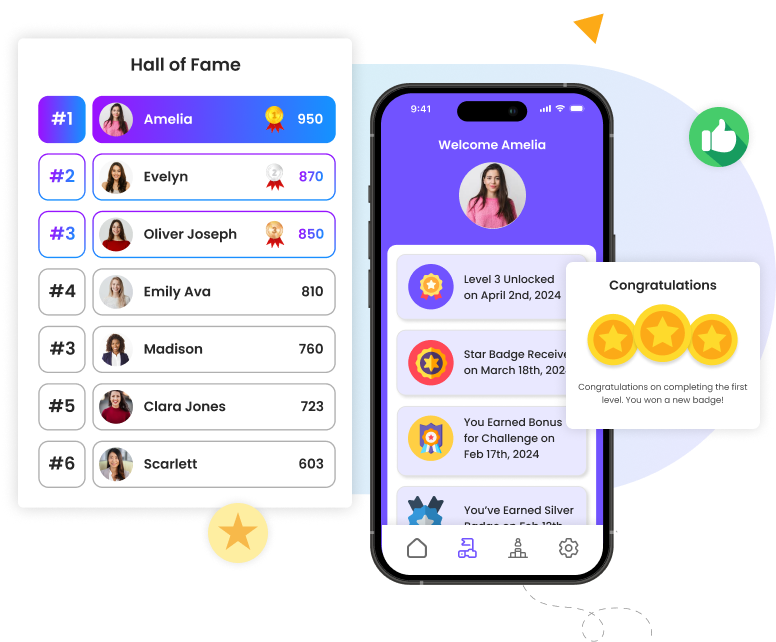
NextBee is built to be that starting point. The gamification platform supports a wide range of customer-facing use cases, from referral contests and loyalty programs to milestone challenges and trivia tournaments. It integrates with the CRM, e-commerce, and marketing tools you already run. It also comes with a delivery-ownership model, so a specialist team helps you launch and improve the program rather than handing you a login and walking away.
The commercial model reinforces that. NextBee ties its pricing to revenue milestones agreed with your team, and its stated results include a 40 percent-plus lift in participation and double-digit ROI across more than 300 brands. Beginning your evaluation with a results-tied, service-backed vendor sets a high bar, and it makes any gaps in competing proposals easier to spot.
Turn a Good Gamification Software RFP Into the Right Decision
A strong gamification software RFP does more than collect proposals. It forces clarity, surfaces evidence, and gives you a fair way to compare vendors who all claim the same things. Ask for proof, weight what matters, watch for the red flags, and start with the vendor that backs its software with real support and accountability.
Want to see what that looks like before you finalize your shortlist? Request a demo and see the gamification platform in action.