Table of Contents
Section Content Description Introduction Overview of the Customer Reference Program Software and its importance in achieving business goals. 1. Innovative Hacks for Boosting Efficiency Tips and strategies to optimize the use of Customer Reference Programs. 2. Myths Debunked: Clarifying Misconceptions Debunking common misconceptions to help businesses understand the true potential of Customer Reference Programs. 3. Essential Dos and Don’ts Practical guidelines for implementing a successful Customer Reference Program. Conclusion Final thoughts on maximizing the potential of a Customer Reference Program Software. NextBee’s Solution How NextBee’s platform can help brands launch an effective Customer Reference Program. Introduction
A well-structured Customer Reference Program can be a vital asset for any business looking to build trust and credibility through authentic customer stories. This guide provides a comprehensive overview of how to maximize the impact of your Customer Reference Program by focusing on innovative hacks, debunking common myths, and following essential dos and don’ts. Whether you are new to customer reference programs or a seasoned professional, this guide offers actionable insights to help you achieve your goals effectively.

1. Innovative Hacks for Boosting Efficiency
Implementing a Customer Reference Program can be complex, but with the right strategies, you can streamline the process and enhance results. Here are some innovative hacks to consider:
- Leverage Technology for Efficiency: By integrating CRM software, you can automate the collection and organization of customer references. Automated surveys and AI-driven analytics help you gather relevant customer stories quickly and identify the most impactful ones. This not only saves time but also ensures that the references used are highly effective.
- Create a Centralized Customer Reference Database: Develop a central repository where all customer references are stored and categorized by industry, product, or customer profile. A well-organized database enables your sales and marketing teams to quickly access and utilize the most relevant references, improving efficiency and effectiveness.
- Incentivize Participation: Encourage customers to participate in your reference program by offering incentives such as discounts, exclusive features, or public recognition. This not only boosts participation but also strengthens customer loyalty.
- Develop Multi-Format References: Diversify the formats of your customer references, including written testimonials, video interviews, infographics, and social media posts. This caters to different audience preferences and enhances engagement.
- Regularly Update Your References: Keep your references up-to-date by scheduling periodic reviews and refreshing outdated stories with new successes. This ensures that your reference program remains relevant and impactful.
Before locking your reference request rules, review the process view below showing how our platform enforces advocate burn-rate caps across your sales team.
View Diagram 01: Customer reference matching and burn-rate governance flow
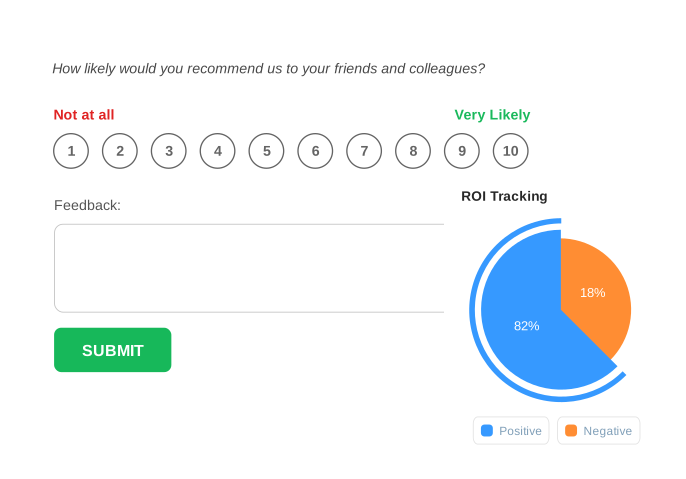
Governance ledger matching prospect industry attributes to rested customer advocates with automated cooldown locks. View Diagram 02: Customer reference matching and burn-rate governance flow – Stage Audit View
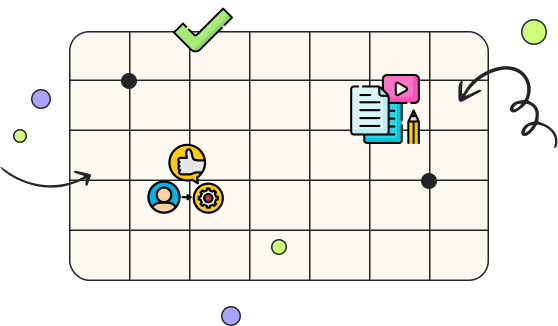
Secondary workflow diagram illustrating how your operations team audits each verification gate prior to reward release. 2. Myths Debunked: Clarifying Misconceptions
Several myths surround Customer Reference Programs, often leading to underutilization or ineffective implementation. Here’s a look at some of the most common misconceptions and the truth behind them:
- Myth 1: Only Large Companies Benefit from Customer Reference Programs
Contrary to popular belief, businesses of all sizes can benefit from a well-executed Customer Reference Program. Small and medium-sized businesses can leverage quality over quantity, showcasing genuine success stories that resonate with their target audience. - Myth 2: Gathering Customer References Is Too Time-Consuming
With the right tools and strategies, gathering customer references doesn’t have to be a burden. Modern CRM systems and automated feedback surveys streamline the process, making it more manageable and less time-consuming. - Myth 3: Customer References Are Only Useful in the Later Stages of the Sales Cycle
Customer references are valuable at every stage of the sales process, from lead generation to closing deals. Early-stage references can build trust and credibility, making prospects more receptive to your offerings. - Myth 4: All Customer References Need to Be Long and Detailed
While detailed case studies are important, short testimonials and quotes can be equally effective, especially in digital marketing where attention spans are shorter. A mix of both formats caters to different audiences and situations.
3. Essential Dos and Don’ts
To turn closed-won reference calls into reusable digital proof points, connect our customer story and content spotlight module with our operational guide on reward fulfillment software best practices so every advocate receives compliant thank-you rewards right on schedule.
The success of a Customer Reference Program hinges on the implementation of best practices. Here’s a guide to what you should do and avoid:
Dos
- Select the Right Customers: Choose customers who have experienced significant success with your product or service. Their stories should highlight specific benefits and measurable results, and they should be willing to share their experiences.
- Develop a Variety of Reference Formats: Offering different formats like written testimonials, case studies, and video interviews ensures that you cater to various audience preferences, increasing your program’s reach and impact.
- Maintain Regular Communication: Keep in touch with your reference customers, providing them with updates and engaging them in new opportunities. This helps in keeping their references current and relevant.
- Offer Incentives: Show appreciation for your reference customers by offering them incentives. This encourages continued participation and strengthens relationships.
- Integrate References into Sales and Marketing: Make sure customer references are prominently featured across your sales and marketing channels, from presentations to social media. This builds trust at every stage of the customer journey.
Don’ts
- Overlook Customer Consent: Always obtain explicit consent from customers before using their stories. This not only builds trust but also ensures legal compliance.
- Neglect Updating References: Outdated references can harm your credibility. Regularly update your customer stories to reflect the latest successes and developments.
- Rely Solely on Written References: While written testimonials are valuable, incorporating videos, infographics, and social media posts can create a more dynamic and engaging reference program.
- Exaggerate Customer Stories: Authenticity is crucial. Avoid embellishing customer success stories; genuine and relatable references build more trust.
- Ignore Customer Feedback: Actively seek and act on feedback from your reference customers. Their insights can improve your products and services, making your reference program even stronger.
Conclusion
Implementing a successful Customer Reference Program requires careful planning and execution. By leveraging innovative hacks, debunking common myths, and following essential dos and don’ts, you can create a program that is both efficient and effective. A well-structured Customer Reference Program not only enhances your credibility but also drives growth and customer satisfaction.
NextBee’s Solution
NextBee’s Customer Reference Program Software offers a comprehensive solution for businesses looking to implement a robust and effective reference program. With features designed to streamline processes, enhance customer engagement, and maximize results, NextBee’s platform is the ideal choice for brands aiming to leverage customer stories for success. Whether you’re looking to automate reference collection, incentivize participation, or diversify your reference formats, NextBee has the tools you need to launch a successful Customer Reference Program.
Start your journey with NextBee today and see measurable improvements in your customer reference efforts.
Reference Matching Economics, Testimonial Compliance, and Retention Playbooks
Use these governance matrices, decision rules, and benchmark models to configure and audit your program workflows.
How do you prevent advocate fatigue in a B2B customer reference program?
Enforce automated CRM cooldown locks that cap each customer advocate at two reference calls per quarter while offering asynchronous video testimonials and peer review options as lower-effort alternatives. Matching late-stage opportunities to rested industry peers cuts reference fulfillment time from 9 days to under 24 hours and lifts win rates by 19%.
Customer Reference Activity Unit Economics and Pipeline ImpactWe weight reward credits by advocate effort and deal stage so your reference budget concentrates on high-value late-stage pipeline opportunities.
Reference Activity Tier Reward Cost Equivalent Cooldown Rule Pipeline Attribution Impact Verified G2 or Gartner Peer Review $25 charitable donation or academy credit 1 per product release cycle Supports top-of-funnel shortlist conversion Asynchronous 90-Second Video Clip $50 digital reward or event VIP pass Max 2 clips per year Deflects 40% of repetitive early-stage reference calls 1-on-1 Late-Stage Executive Reference Call $150 executive gift or conference fee waiver Hard cap of 2 calls per quarter +19% to +28% close-rate lift on $50k+ opportunities Pipeline close-rate gains operate under those assumptions tracked in your CRM opportunity ledger and are not a forecast of quarterly bookings. explore our customer reference program software →What compliance rules apply to B2B customer testimonial software and rewards?
Require explicit logo and quote release sign-offs, corporate gift-policy threshold checks, and mandatory FTC material-connection disclosures whenever an advocate receives rewards or event perks for a testimonial. Routing government and enterprise advocates toward charitable donations or training credits prevents corporate ethics violations while maintaining high participation.
Ad-Hoc Sales Reference Requests vs. Governed Testimonial EngineOur testimonial platform replaces untracked rep favors with automated gift-cap screening, legal release capture, and CRM opportunity attribution.
Manual Spreadsheet Workflow- Account executives call the same 5 friendly customers every month until they stop replying.
- Gift cards are sent from personal expense cards without checking the client's corporate gift policy.
- Marketing cannot publish quotes on the website because signed brand release forms are missing.
Our Automated Playbook Execution- Our matching engine auto-recommends rested advocates filtered by industry, tech stack, and region.
- Corporate gift-cap rules automatically substitute charitable donations for restricted enterprise accounts.
- One-click digital release forms attach legal usage rights directly to every video and quote.
Compliance checks reflect the corporate gift policies supplied by your legal team rather than replace formal regulatory review. see our customer testimonial software →How does active participation in a reference program impact customer retention?
Enroll high-health accounts into your reference and advisory community 90 days after onboarding so champions build executive visibility and peer connections tied to your brand. B2B accounts with at least one active reference advocate renew at 94% to 97% annual retention and expand seat licenses 2.1x faster than non-participating peers.
Advocate Participation and Account Retention BenchmarksWe sync advocate reference activity back to your customer success health score so renewal managers see which accounts are actively championing your brand.
Under 24 HoursReference Fulfillment SLAMedian turnaround time from rep CRM request to confirmed advocate call scheduling.94% to 97%Advocate Account Renewal RateAnnual gross retention rate among B2B accounts with an active reference participant.-62% DeclinesAdvocate Burnout ReductionDrop in declined reference requests after enforcing 2-call quarterly cooldown caps.Retention benchmarks reflect cohort correlations supplied by your CRM and do not establish a guaranteed renewal outcome. review our customer retention software →