.Referrals are just grand for every business. This is because, it not only amplify your customer base but can greatly increase customer satisfaction, thereby reducing or trimming down your sales expenses. Content customers turn out to be the best salespeople and a referral program is an ideal way to make the most of that.
Here are 4 key referral types essential for every business to take into consideration while structuring a referral program:
Direct Referrals
A direct referral is the one where any of your existing clients refers to someone they are familiar with. You can set an incentive for your current client and offer him or her your company’s free product or service if in case their referral turns into business.
Implied Referrals
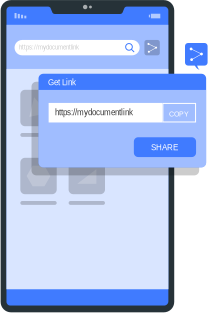
Stage-by-stage referral verification moving from advocate share link creation to CRM opportunity matching and reward release. Key Execution Checkpoints Shown in This Diagram- Separates direct peer introductions from passive social mentions
- Matches tangible two-sided reward codes to net-new CRM accounts
- Holds payouts until your policy cooling-off or return window clears
Using the stage progression pictured above, your operations lead can audit how our platform verifies each referral type from initial share to final payout.
An implied referral is the one when you wish to make it very apparent that you are working for someone without straightforwardly asking for any referral. For instance, a builder, who is carrying out work on a building or house, can send printouts to the other nearby houses about his offerings in case of any problems. This indicates the considerate and helpfulness of the builder in the eye of the customers and partners in the street.
Tangible Referrals
When structuring two-sided tangible incentives across your product lines, review 6 methods to drive referrals with insurance referral software and configure custom reward rules inside our automated deal builder engine.
With a tangible referral, you give something that has real value to your customer which they can offer to a referral source. You can think about offering the vouchers to your store to your creamy clients. Why? So that you may request them to share these with someone amongst his family and friends. Another fine move can be cheering the customers to get a friend for free or offer a product to the friend once they are referred. This approach can easily be combined with direct referrals.
Community Referrals
There are numerous community organizations out there that call for your support. You can think about carrying out a promotion that can be beneficial for both parties. We can take an example of a café that offers 10% of the complete profit made in a month to a charity. The company is a helpful organization and at the same time the charity gains from this promotion. The charity then promotes the business and spreads the word.
Operational Controls for Structuring Your 4 Referral Channels
Use these fraud guardrails, funnel benchmarks, and channel scorecards to match the right referral model to your sales cycle.
01. How do you prevent self-referral fraud across tangible and direct referral campaigns?
Block self-referral abuse by enforcing four automated validation checks before any tangible reward clears: reject matching advocate and friend IP addresses or payment cards, verify net-new account status in your CRM, enforce state quote-versus-bind reward rules, and hold payouts past your cancellation window.
Your Referral Fraud Prevention and Verification GateWe screen inbound referral submissions against duplicate household signals and hold rewards until policy or contract settlement.
When a referral claim arrives Compare referrer and friend email domains, phone numbers, billing addresses, and device fingerprints CRM duplicate account check Query your CRM and billing records to confirm the referred prospect has no active contract history Settlement hold gate - Queue reward in pending status during your 30-day policy or contract cooling-off period
- Void pending payouts automatically if the referred order is canceled or charged back
- Release verified rewards to your fulfillment ledger once the first invoice clears
Velocity cap alert Flag advocates who exceed your monthly referral submission cap for manual compliance review Our fraud filter checks identity signals supplied by your checkout and CRM systems and does not authorize payouts on flagged self-referrals. Explore our referral fraud prevention rules →02. Which dashboard metrics separate high-intent direct referrals from low-intent social shares?
Track three comparative funnel metrics on your weekly referral dashboard: measure qualified lead acceptance rate per sharing channel, compare 90-day close velocity between direct introductions and community links, and calculate net customer acquisition cost after two-sided reward redemptions.
Your Referral Type Conversion BenchmarksWe compare lead qualification, sales velocity, and reward cost per acquisition across your direct, tangible, and community referral tiers.
32% to 48%Direct Referral Close RateWarm 1-to-1 peer introductions converting into signed contracts20% to 35%Tangible Offer RedemptionReferred friends redeeming a two-sided welcome credit on first order14% to 26%Community Advocate Share LiftActive forum and loyalty members generating repeat referrals per quarterThese conversion benchmarks reflect illustrative channel targets from your supplied historical data and are not a forecast of guaranteed sales. View our referral dashboard KPI templates →03. How do you score which referral type fits your B2B or consumer sales cycle?
Score each referral model against four operational criteria before allocating your incentive budget: weight CRM opportunity attribution at 35 percent, average contract margin coverage at 25 percent, sales rep follow-up speed at 20 percent, and advocate sharing friction at 20 percent.
Your Referral Model Selection ScorecardWe score direct, tangible, implied, and community referral workflows against your deal size and CRM attribution requirements.
Selection Factor Weight How Our Platform Configures It Best-Fit Referral Type CRM Opportunity Attribution 35% Links referrer ID directly to multi-touch B2B account opportunities Direct Warm Referrals First-Order Margin Protection 35% Enforces minimum cart size before applying two-sided friend discounts Tangible Offer Referrals Advocate Sharing Frequency 30% Awards tiered leaderboard points for peer answers and review shares Community and Implied Referrals Under those assumptions, our scorecard ranks channel fit from your supplied margin inputs rather than promise specific conversion volume. Connect your B2B referral workflow to CRM →Since you are equipped with the knowledge of the different types of referrals, you can move further by distinguishing the customers you are in search of and educating your referral sources to create warm and hot referrals for your business. An understanding of your business and market can greatly help you build a targeted marketing and communications strategy. It can thus become an extensive plan to grow your business.